One of the few conditions where the human brain doesn’t just malfunction, it commits fully to the bit and insists reality is wrong. Not mistaken. Not confused. Just… wrong. Let’s unpack this cheerful little nightmare. 🧠
Cotard’s Syndrome — Explanation
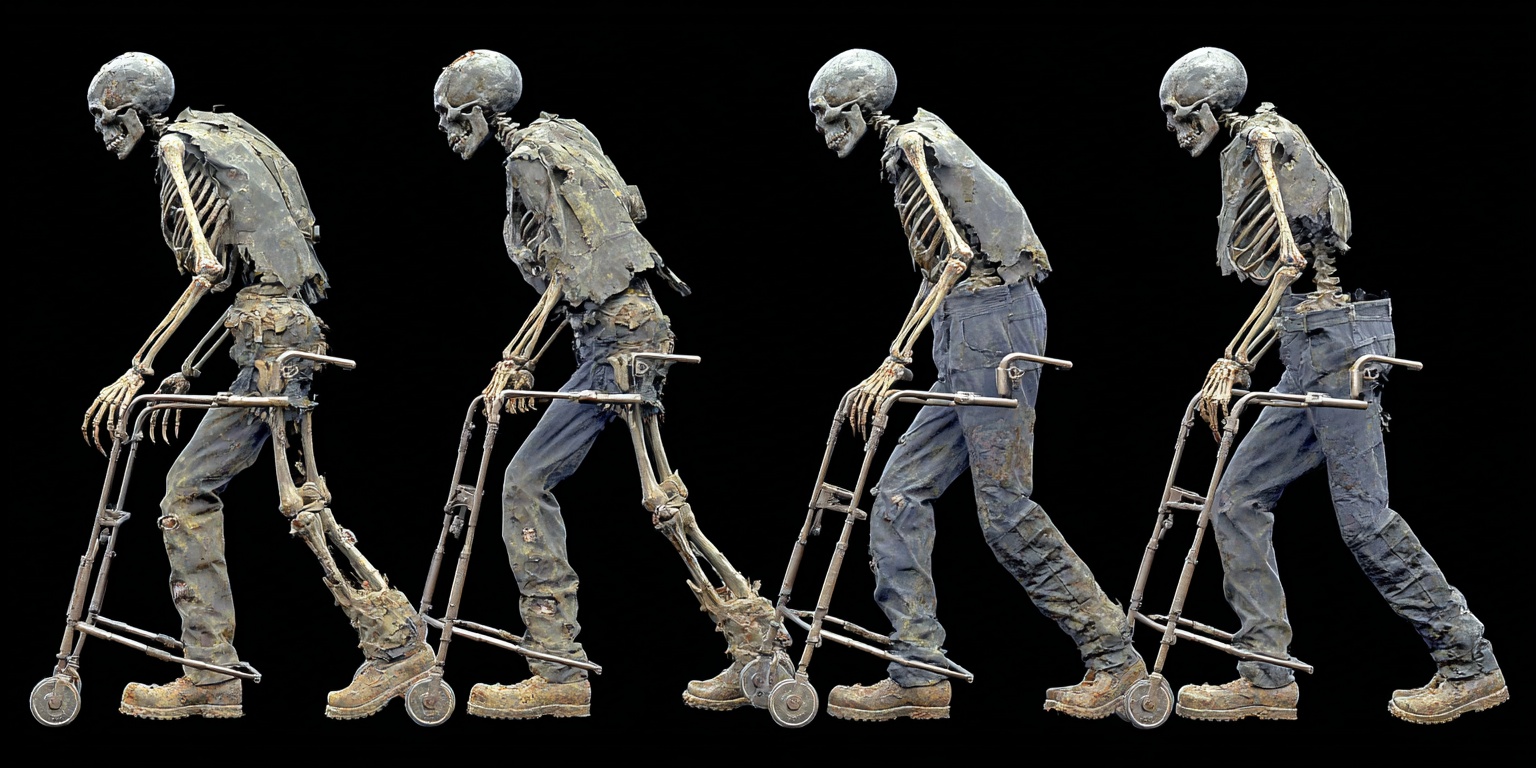
Cotard’s Syndrome, sometimes called “walking corpse syndrome” (because subtlety died long before the patient thinks they did), is a rare psychiatric condition in which a person believes they are dead, don’t exist, are rotting, or have lost their internal organs. Some patients insist their blood is gone, their brain is missing, or that they are spiritually erased from existence.
Which raises the obvious problem: you are talking to a person who is actively denying their own existence while continuing to exist in front of you. Psychiatry, as a field, does not love that kind of contradiction, but here we are.
This isn’t philosophical musing. This is a fixed, unshakable delusion. You can show them a pulse, a reflection, a functioning body. Doesn’t matter. Their brain has already filed the paperwork: “deceased.”
How common is it? (Spoiler: not very)
Cotard’s Syndrome is extremely rare. We’re talking scattered case reports, not neat statistics. There is no massive dataset because, thankfully, most brains do not wake up one day and decide they’re a ghost with errands.
Estimates are messy, but it shows up most often as a symptom within severe depression with psychotic features, rather than a standalone condition. In psychiatric settings, it’s been observed in a tiny fraction of patients, often less than 1% of severe cases.
So if you were hoping this was common, relax. Humanity is dysfunctional, but not that dysfunctional.
Typical onset age
Most cases appear in middle-aged or older adults, though it can occur in younger individuals, especially when tied to neurological injury or severe psychiatric illness.
There’s a noticeable association with aging brains under stress. Which makes sense. If your brain is already struggling, it might occasionally take a hard left into existential collapse.
Younger cases tend to be linked to trauma, brain injury, or underlying psychiatric disorders rather than spontaneous philosophical meltdown.
Precipitating events
Cotard’s doesn’t usually appear out of nowhere like a bad plot twist. It tends to follow something serious:
- Severe depression (especially psychotic depression)
- Brain injury or trauma
- Neurological conditions (like dementia or stroke)
- Schizophrenia or other psychotic disorders
Basically, something disrupts the brain’s ability to process reality, identity, and bodily awareness. The result? The mind constructs a conclusion that would be absurd if it weren’t so internally consistent: “I must be dead.”
There’s also evidence pointing to dysfunction in areas of the brain responsible for emotional processing and self-recognition. So the person can perceive themselves but feels no emotional connection to that perception. Their brain tries to resolve the mismatch and lands on the worst possible explanation.
Treatment — can it be fixed?
Surprisingly, yes. Unlike some conditions that just sit there being difficult forever, Cotard’s Syndrome can respond to treatment.
Options include:
- Antidepressants (for underlying depression)
- Antipsychotic medications
- Electroconvulsive therapy (ECT) — and before you panic, this is actually one of the most effective treatments for severe cases
ECT, in particular, has shown strong results, especially when the syndrome is tied to major depressive disorder. Which is ironic, because the treatment sounds like something out of a horror film, yet it’s often what brings people back from believing they’re already in one.
Recovery varies. Some patients improve significantly or fully recover. Others may have lingering symptoms, especially if the underlying neurological damage is severe.
Final reality check (which the patient would reject):
Cotard’s Syndrome is what happens when the brain’s reality-checking system doesn’t just fail, it flips the table and insists the entire game is invalid. It’s rare, deeply unsettling, and a brutal reminder that your sense of “self” is not nearly as stable as you’d like to believe.
The uncomfortable takeaway? Your identity, your sense of being alive, your connection to your own body… all of it is maintained by a few pounds of tissue that occasionally decides to go completely off-script.
Sleep well.
Hits : 33