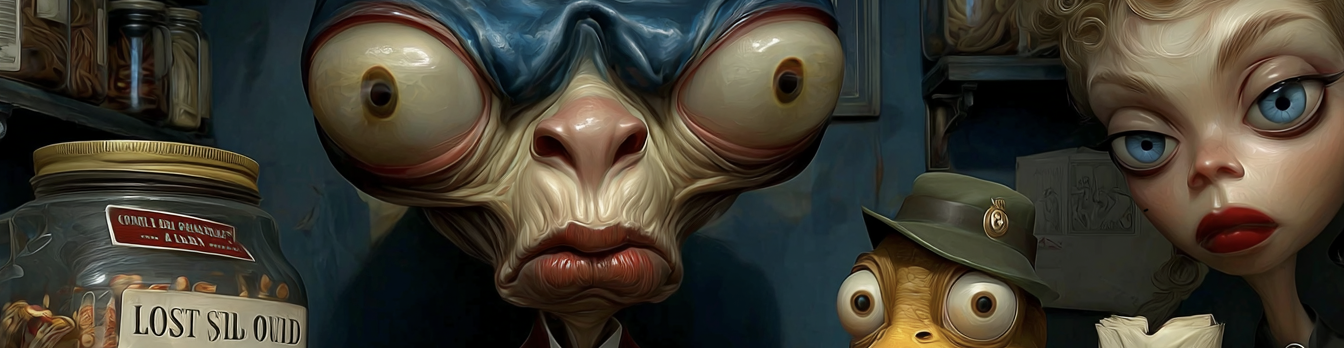

Excessively eager to please. The human equivalent of a nodding dashboard bobblehead with no spine.
Definition:
Excessively eager to please or obey, to the point of servility. An obsequious person doesn’t just agree, they pre-agree, anticipate agreement, and then reinforce it with a smile that begs for approval. It’s compliance with enthusiasm dialed up to a level that makes everyone slightly uncomfortable.
This isn’t politeness. It’s submission wearing a polite little hat.
Usage:
Used when someone’s behavior crosses from cooperative into painfully sycophantic.
- “He responded with obsequious enthusiasm to even the worst ideas.”
- “Her obsequious manner made every conversation feel like a performance review.”
- “The intern’s obsequious laughter echoed a bit too long after the joke died.”
It’s the more educated cousin of “bootlicking,” except it comes with plausible deniability and a thesaurus.
History:
The concept behind “obsequious” has existed as long as power structures have. Kings, emperors, CEOs, influencers, anyone with leverage attracts this behavior like sugar attracts ants. Historically, entire courts functioned on it. If you wanted to survive, you didn’t just obey, you performed obedience.
In places like royal courts, obsequiousness wasn’t just tolerated, it was expected. Careers were built on flattery so thick you could spread it on bread. The more exaggerated the loyalty, the safer you were. Authenticity was a liability. Independent thought? A dangerous hobby.
Fast forward to modern life, and not much has changed. The costumes are different, the language is sanitized, but the behavior is identical. The only real evolution is that now people pretend it’s “professionalism.”
Etymology:
From Latin:
- ob- = “toward”
- sequi = “to follow”
Forming obsequi, meaning “to follow after,” “to comply,” or “to yield.” From this came obsequiosus, meaning compliant or dutiful, which entered English as obsequious.
Originally neutral, even respectable. Just “being helpful,” essentially. Then humans took that baseline and stretched it into something excessive, performative, and just a little pathetic. Language didn’t change so much as human behavior exposed the worst version of it.
Extra context, because this behavior refuses to die:
Obsequiousness thrives anywhere there’s imbalance. It’s not always loud or obvious either. Sometimes it’s subtle, wrapped in careful wording and strategic agreement. The constant nodding, the unnecessary praise, the instinct to align with authority before even forming a personal opinion.
And the strange part? It often works. People in power tend to reward agreement because it’s easy. It’s comfortable. It reinforces their sense of being right. So obsequious behavior gets reinforced, repeated, and eventually normalized.
The long-term effect, though, is intellectual rot. Conversations lose friction. Bad ideas go unchallenged. Entire environments become echo chambers filled with people who stopped thinking independently somewhere along the way.
So when you call someone “obsequious,” you’re not just insulting their behavior. You’re pointing out that they’ve traded autonomy for approval and convinced themselves it was a smart deal.
And the worst part? Somewhere in the back of their mind, they probably know it. They just smile, nod, and keep going anyway.
Hits : 28