
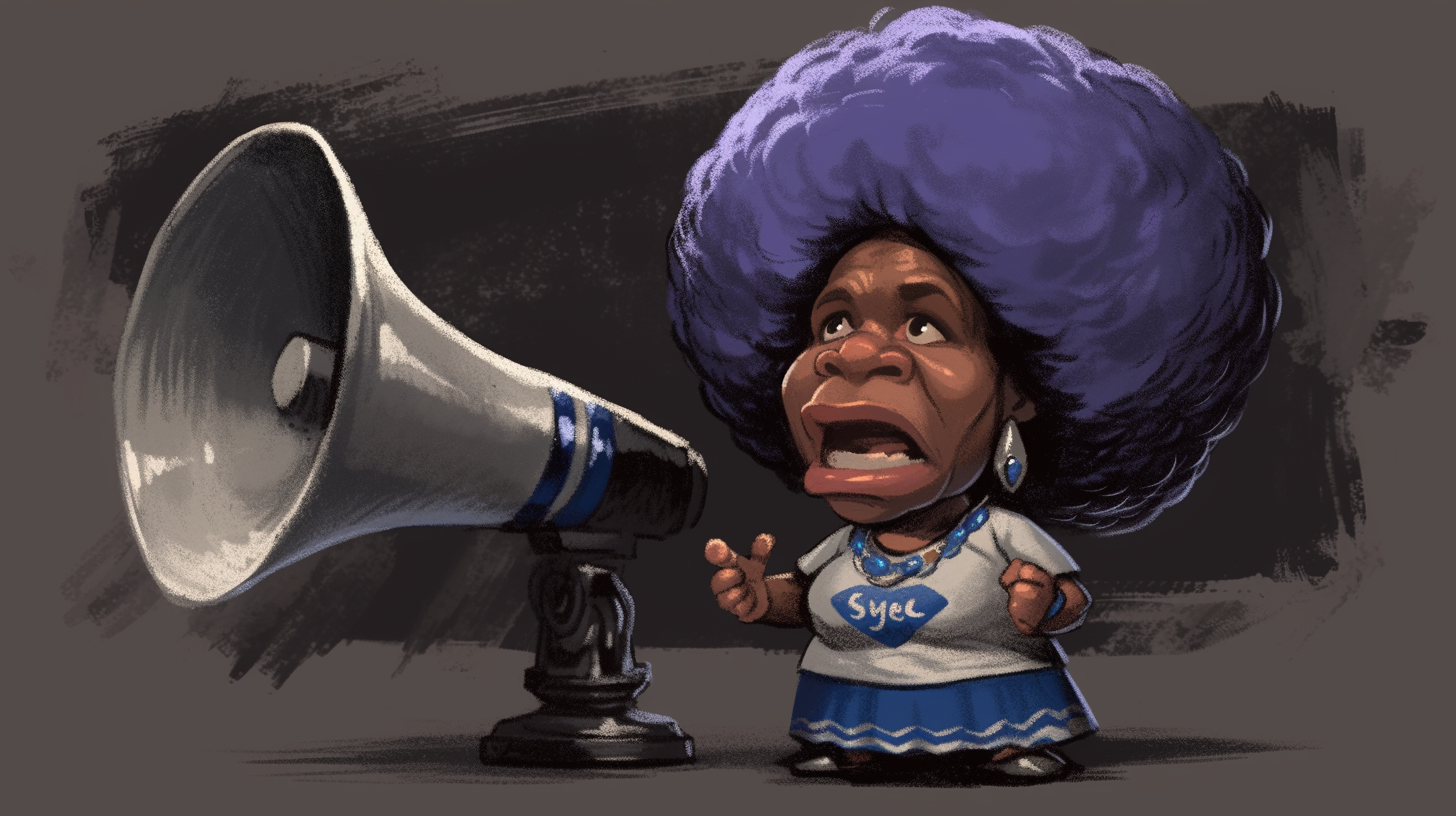
A word that sounds like someone tried to yodel while being mildly electrocuted. Let’s dissect ululation, the linguistic equivalent of a dramatic echo in a canyon.
Definition:
Ululation refers to a high-pitched, wavering, often trilling vocal sound produced by rapidly moving the tongue and voice, typically as an expression of intense emotion. Depending on the context, that emotion might be grief, celebration, terror, or a communal “we all feel something at once and need to make noise about it.” It’s most commonly associated with ritual or cultural expressions, especially in parts of Africa, the Middle East, and South Asia. In plainer terms: it’s a loud, piercing, oscillating cry that carries far and announces that something significant is happening, whether joyful or tragic.
Usage:
You’ll usually see it in descriptive or literary contexts because, shockingly, most people don’t sit around saying “I shall now ululate.” Instead, writers use it when they want to evoke atmosphere or emotional intensity. For example: “The mourners broke into ululation as the procession passed.” Or: “A chorus of ululation rose from the crowd, echoing across the valley.” It’s one of those words that instantly paints a scene, which is probably why authors cling to it like it’s their last shred of poetic dignity. In anthropological or cultural writing, it shows up as a neutral descriptor for traditional vocal expressions, though the average person encounters it mostly when reading something trying very hard to feel ancient and important.
History:
The word entered English in the 17th century, because apparently people finally decided they needed a formal term for “that eerie wailing noise humans have been making since before language was even a thing.” The behavior itself, of course, is ancient. Ululation appears across cultures and continents, which suggests that humans, regardless of geography, eventually discover that vibrating their vocal cords dramatically is a great way to signal emotion to everyone within a five-mile radius. It has been used in ceremonies, funerals, weddings, and even as a form of communication in some societies. In short, it’s older than most of the languages describing it, which makes English’s late adoption feel a bit like showing up to a party after everyone’s already been dancing for thousands of years.
Etymology:
Now for the part where language tries to look sophisticated about something fundamentally primal. “Ululation” comes from the Latin ululatio, meaning “a howling or wailing,” which itself derives from the verb ululare, meaning “to howl or cry out.” That root is likely imitative, meaning it mimics the sound it describes, much like “howl” in English. So yes, after all that, the grand, scholarly lineage of this word boils down to humans hearing a noise and going, “Let’s name it after the noise.” Civilization at its finest.
Over time, the Latin term filtered into English through scholarly and literary use, maintaining its slightly dramatic, almost theatrical tone. It’s not a casual word. Nobody accidentally ululates. It’s deliberate, noticeable, and often tied to collective human expression.
So there you have it. A word that tries to sound refined while describing something instinctive, loud, and impossible to ignore. Kind of like humanity itself, honestly.
Hits : 35