What it is
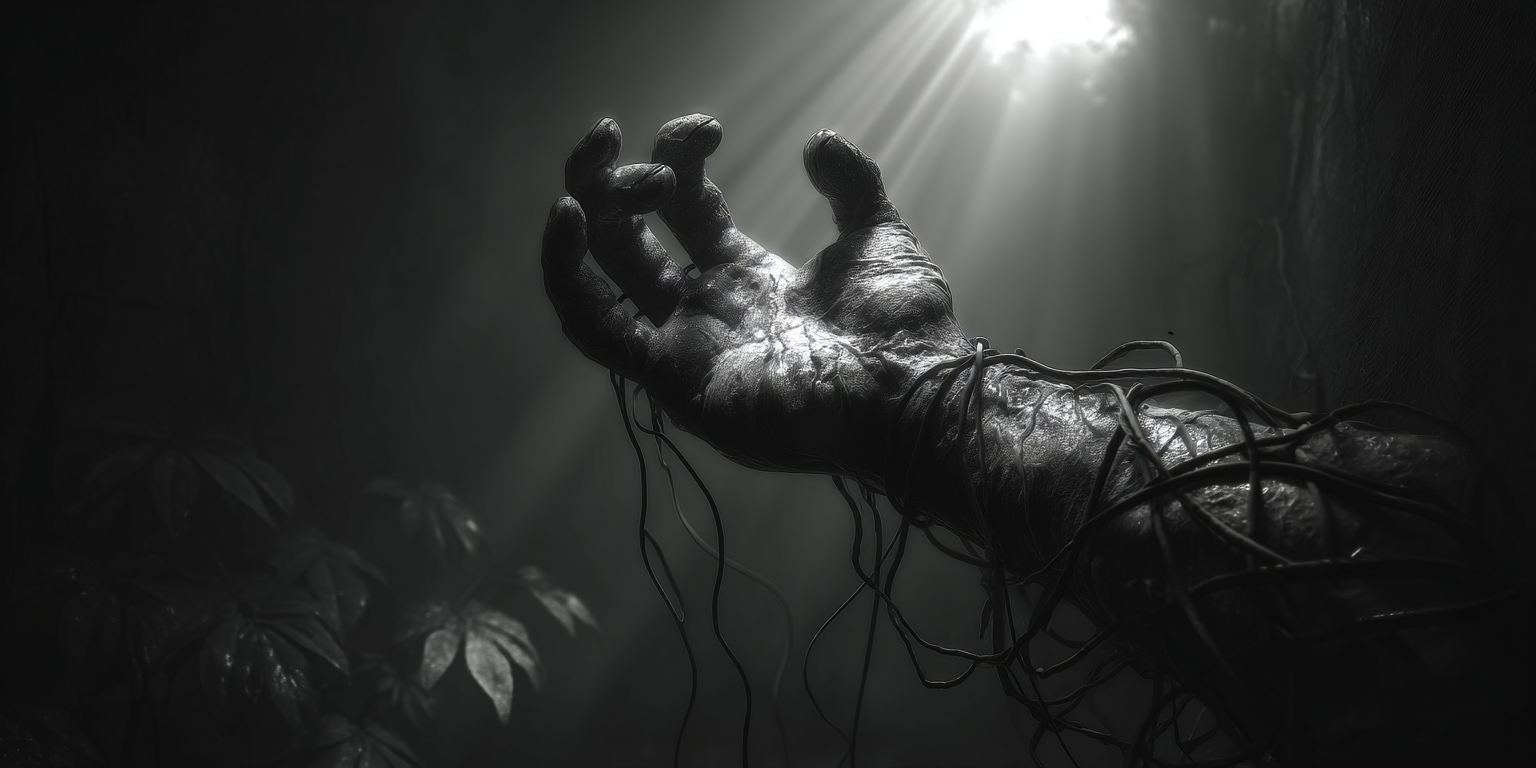
Alien Hand Syndrome (AHS) is a rare neurological disorder where one hand behaves independently of your conscious control. Not metaphorically. Not “I wasn’t thinking.” Literally acting on its own.
You still recognize the hand as yours. You don’t lose ownership. What you lose is authority.
Common behaviors include:
- Grabbing objects without permission
- Undoing actions your other hand just completed
- Reaching, touching, or interfering with tasks uninvited
So while you’re trying to button a shirt, your other hand might be busy unbuttoning it like a petty saboteur.
When it occurs
This isn’t something you’re born with like an unfortunate personality trait.
AHS typically appears in adults, most often middle-aged or older, because it’s usually tied to brain injury or neurological damage. Children rarely develop it, mostly because they haven’t had enough time to accumulate the kind of brain events that trigger it.
What causes it (the part where things go wrong)
Alien Hand Syndrome doesn’t just happen because your brain got bored. It’s usually triggered by a specific neurological event that disrupts communication inside the brain.
Common causes include:
- Stroke (the leading cause)
- Brain surgery, especially involving the corpus callosum (the bridge between the brain’s hemispheres)
- Tumors
- Neurodegenerative diseases
- Traumatic brain injury
The key issue is disconnection. Parts of the brain responsible for planning and controlling movement stop coordinating properly. One side acts without the oversight of the other.
So your hand isn’t “possessed.” It’s just operating without supervision. Which, frankly, explains a lot about how things go wrong in general.
How it is diagnosed
There’s no single test where a doctor presses a button and your hand confesses.
Diagnosis involves:
- Clinical observation of involuntary, purposeful movements
- Patient descriptions (“my hand is doing things I didn’t tell it to do”)
- Brain imaging (MRI or CT scans) to identify damage
Doctors also rule out other conditions like seizures or movement disorders. It’s less “clear test result” and more “this very specific kind of chaos matches the pattern.”
Can it be treated or cured?
Short answer: no clean cure.
Because the problem is structural brain damage, you don’t just “fix” it. You manage it.
Common approaches:
- Behavioral strategies (keeping the hand occupied with an object)
- Physical therapy
- Occasionally medications to reduce unwanted movement
So instead of regaining full control, you learn to coexist with your own hand, like it’s a mildly disruptive roommate.
Is it dangerous?
Usually not life-threatening, but definitely not harmless.
Risks include:
- Interfering with daily tasks
- Causing frustration or distress
- Rare cases where the hand acts aggressively (grabbing, hitting, even attempting to choke)
It’s not actively trying to harm you, but it’s also not exactly reliable. Which is not what you want from a limb.
How many cases worldwide
Alien Hand Syndrome is extremely rare:
- Only dozens to a few hundred documented cases globally
Most doctors will never encounter it. Most people will never experience it. Which is probably for the best, because one rebellious hand is already more than enough chaos.
Final reality check
Alien Hand Syndrome is a brutal reminder that the sense of control you feel over your body is… conditional.
You assume your brain runs a unified system.
AHS proves it’s more like a committee.
And sometimes, one member stops listening and starts making decisions on its own.
No supernatural forces.
No hidden personalities.
Just a breakdown in communication that turns your own hand into an uncooperative partner.
Subtle. Rare. And deeply unsettling in a way your brain would prefer you not think about too much.
Hits : 43